
-
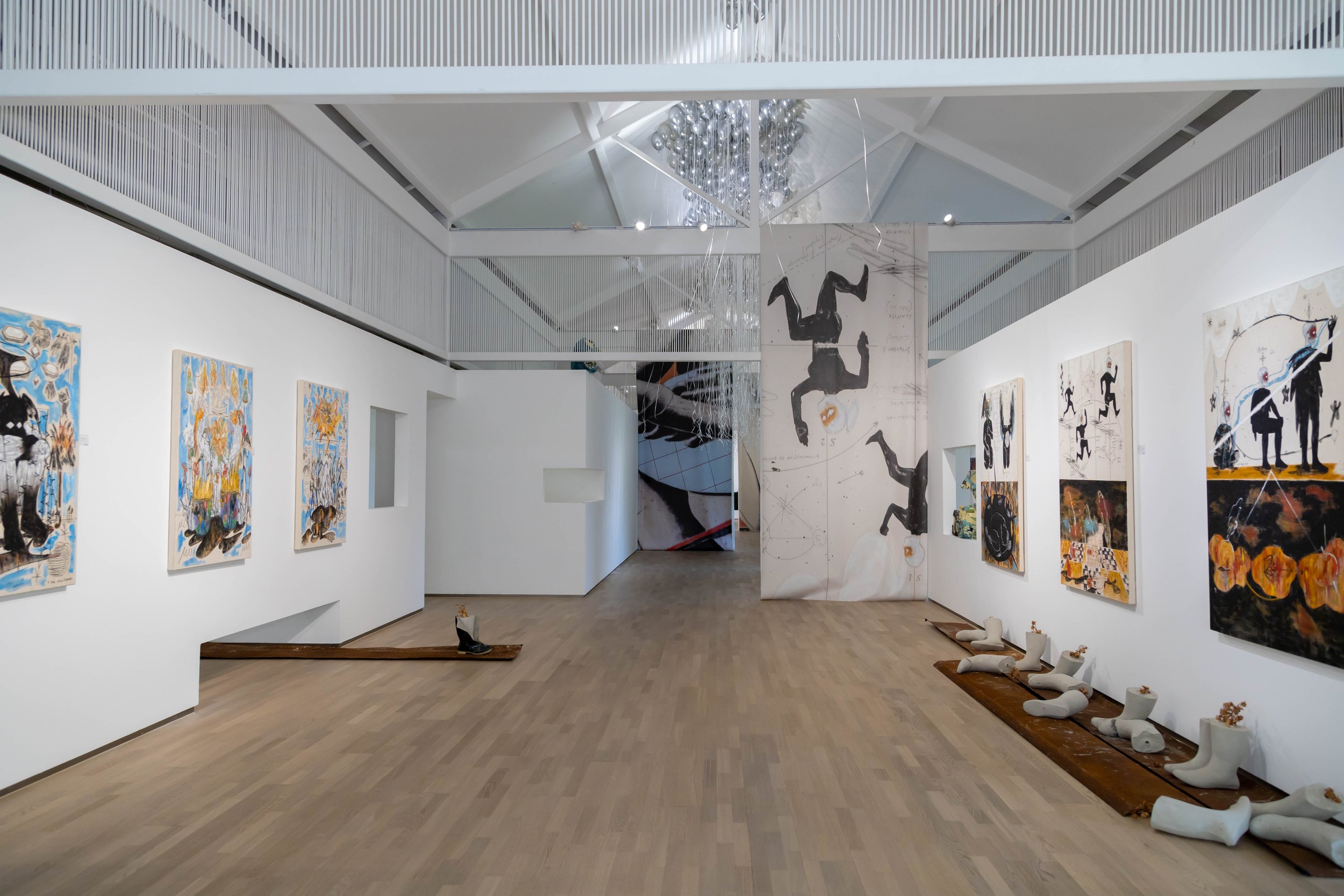
![Une image du Centre culturel.]()
Installation View, Liminality, 2024
-
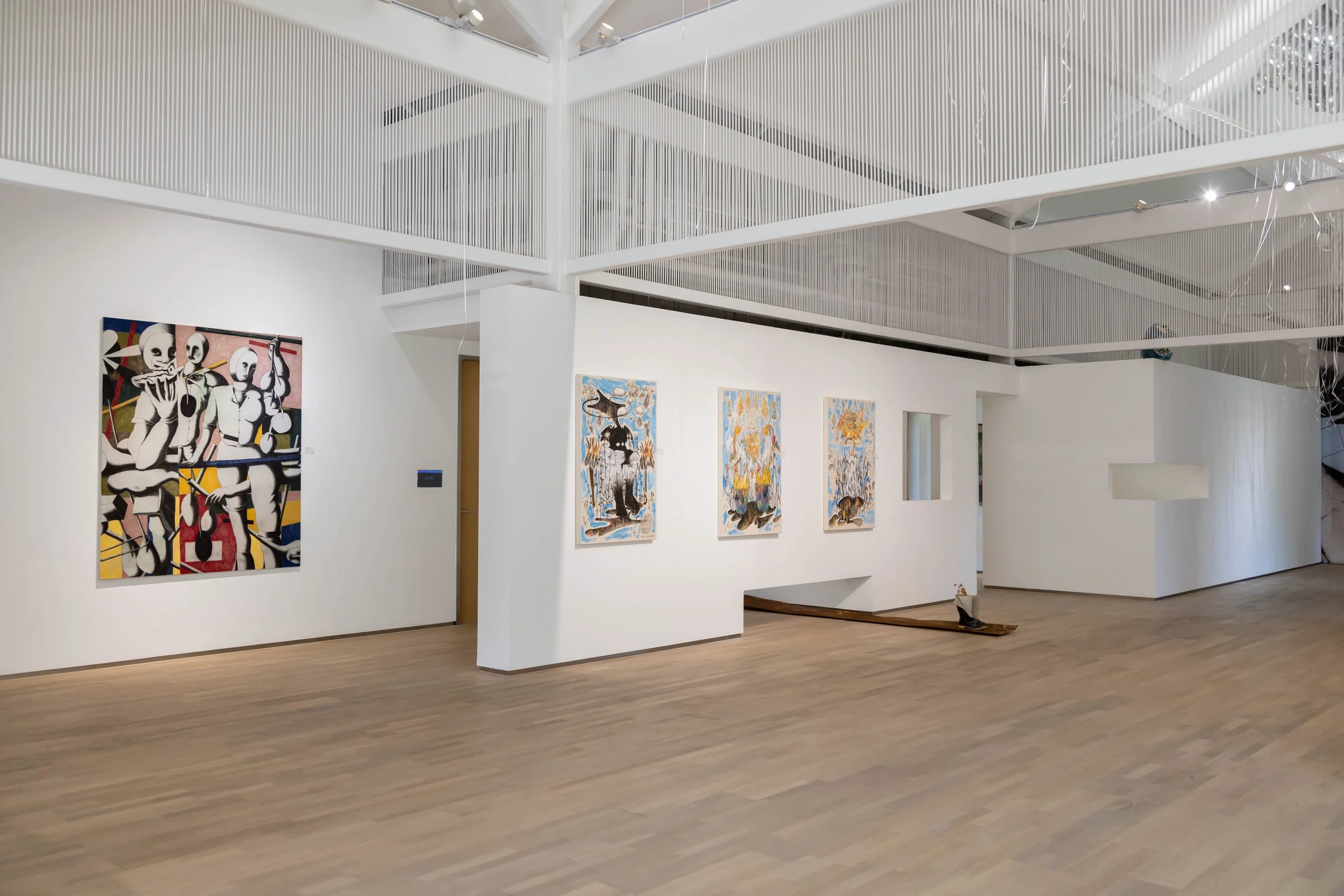
![Une image du Centre culturel.]()
Installation View, Liminality, 2024
-
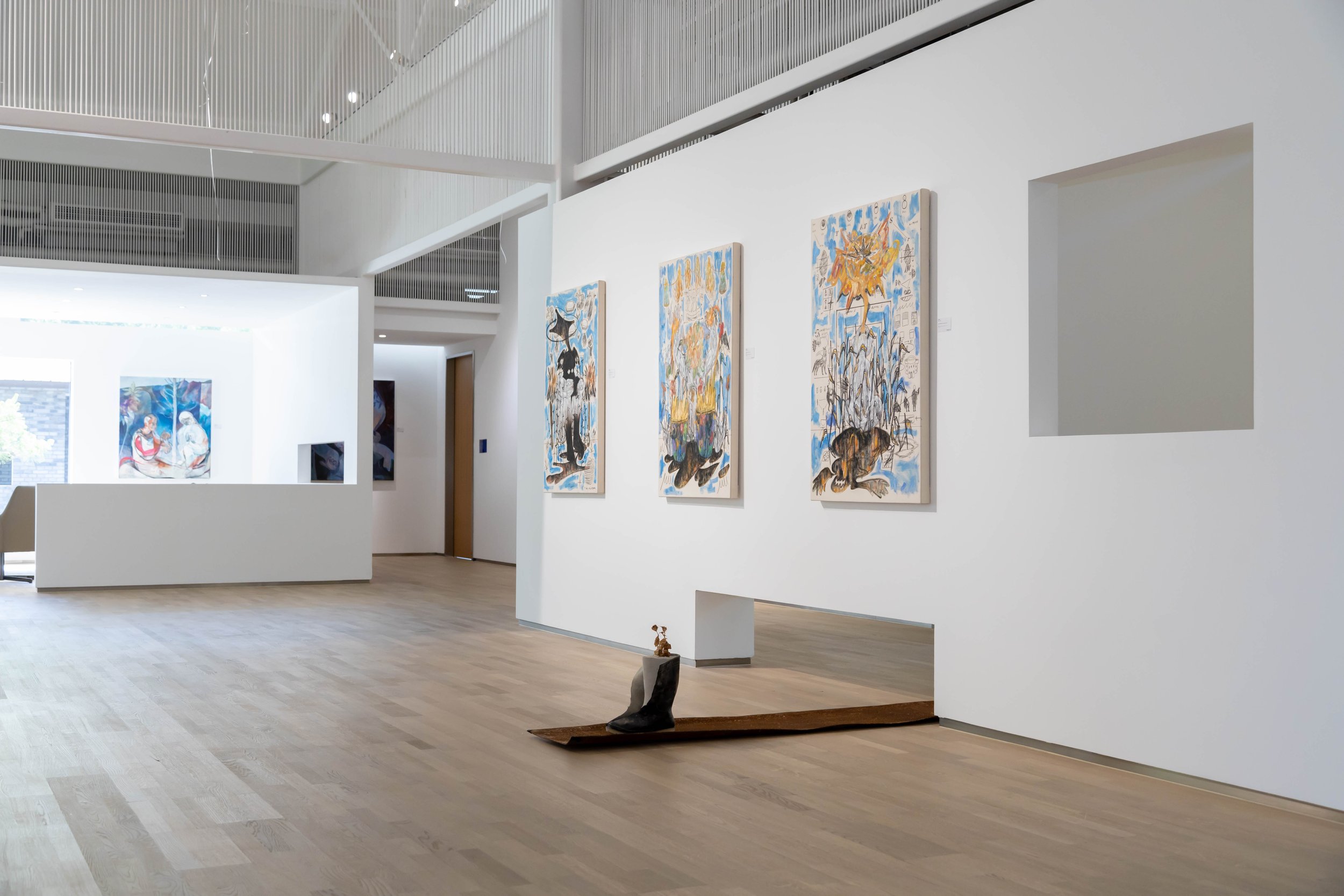
![Une image du Centre culturel.]()
Installation View, Liminality, 2024
Liminality
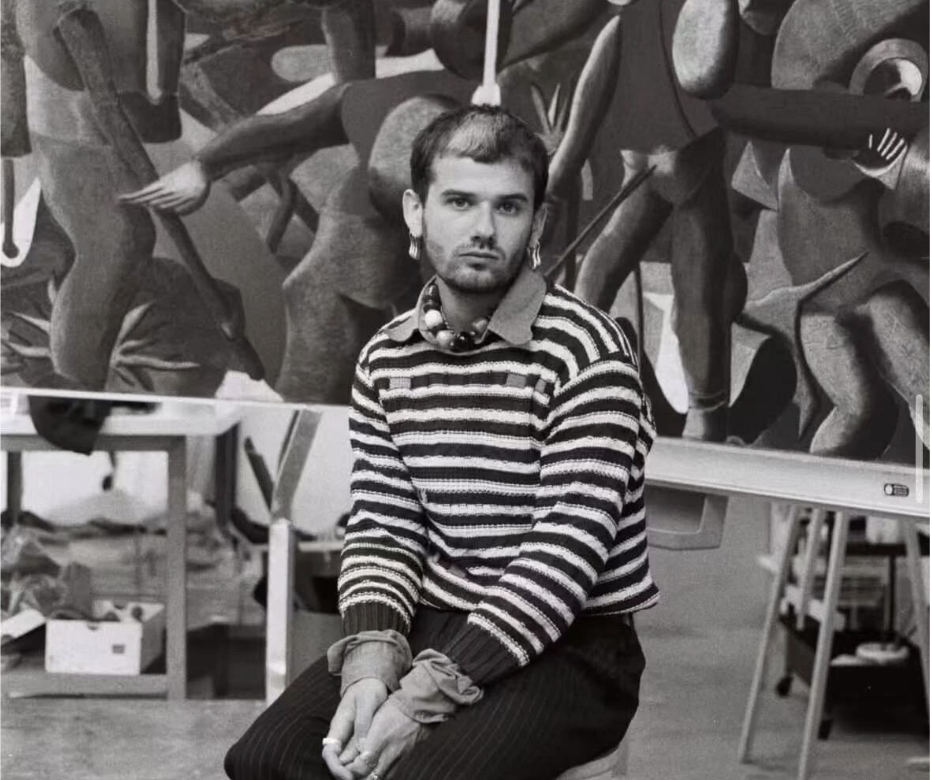
Ferdinand Dölberg, Alexandra Errington, Joana Galego, Kay Gasei, Alice Macdonald, András Nagy-Sándor
EY Projects is pleased to present its inaugural exhibition "Liminality." For this occasion, the works of 6 emerging artists worldwide are gathered here to compose a liminal narrative and to construct a space of liminality.
Liminality is the term first coined by French folklorist van Gennep to denominate the second of three stages in what he advocated as "a rite of passage". This second stage - the liminal stage - entails a transition from one status to another, both on an individual level, from childhood to maturity, sickness to health, or on a sociocultural scale, like peace to war, scarcity to plenty, and so on. Liminality is a quality of being in between two places or stages, on the verge of transitioning to something new. Anthropologically, liminality may be accompanied by a sense of disorientation and even frustration as the participants have abandoned their previous way of structuring their identity, time, or community but have not yet entered the new way. Nonetheless, it is during the liminal periods that the existing orders and hierarchies may be reversed or dissolved. Liminality hereby creates a malleable and fluid situation that welcomes the potential for the establishment of new institutions and customs.
Both people and places are constantly in the stage of liminality. The process of individuation, for instance, can be seen as taking place in a liminal condition. As psychologist Carl Jung advocates, “individuation begins with a withdrawal from normal modes of socialisation, epitomised by the breakdown of the persona,” - “a movement through liminal space and time, from disorientation to integration.” Spatially, any architectural structure that locates between one destination and the next characterises liminality: hallways, airports, streets.
Through this exhibition, EY Projects brings together the notion of liminality in both the individual and the spatial realms, using contemporary art as a shared language to explore the impact of embracing the in-betweenness. On the level of the people, drawing from theoretical reflections or personal experience, each artist presents a narrative of his/her own regarding transformation and transition, making the otherwise intangible ideas tangible through an artistic expression. On the level of the space, the architecture transcends its original identity and transforms into an artistic destination and a container of lived ideas and stories.
An exhibition of international emerging artists of such scale is unprecedented among the galleries in China. Via a project of considerable ambition, we hope that different thoughts, cultures, and artistic practices are able to collide with each other on this occasion, breaking free from the existing orders and restraints, welcoming a brand-new way of interpreting and engaging with art. A liminal phase necessitates a hybrid social and cultural narrative. In presenting our inaugural show, which is a liminal process in itself, we aim to set the tone for the dynamic and open-ended trajectory of all future exhibitions and efforts of EY Projects, continuously defining and re-defining a “contemporaneity” of the 2020s and the many more decades ahead.
Related Artist
Ferdinand Dölberg
Related Artist
Alexandra Errington
Related Artist
Joana Galego
Related Artist
Kay Gasei

Related Artist
Alice Macdonald
Related Artist
András Nagy-Sándor